Save the Children’s Inclusive Preschool Education Project provides professional support to kindergartens. It aims to help children with developmental needs or behavioural difficulties learn safely and grow healthily in mainstream preschool settings, while strengthening the professional capacity of teachers and schools to foster more inclusive learning environment.
Maintaining a positive learning environment requires effective teaching approaches, as well as children’s focus and engagement. Dudu was three years old when he started kindergarten. He often left the group or engaged in risky behaviour, and he found it difficult to understand instructions. While caring for more than 30 children, teachers also had to manage Dudu’s needs — an added pressure that was difficult to manage. Ms Zhou, his head teacher, recalled: “I had never faced such a challenge before. At first, I felt anxious and helpless. I could only ask other teachers to help look after him temporarily, and I wasn’t sure whether I could truly support him.”
A Collaborative Support System for Early Identification and Intervention
When teachers felt uncertain about how best to support Dudu, the Project helped establish a professional support network, bringing together teachers, special education experts, healthcare professionals and parents. After the kindergarten became a pilot site, specialists quickly intervened and identified that some of Dudu’s behaviours were linked to developmental delays in the frontal lobe of the brain, affecting his executive functioning, which made social interaction, emotional and behavioural regulation more challenging for him.
With expert guidance, teachers began applying Functional Behaviour Analysis to understand Dudu’s actions in a more scientific and structured way. Over time, they came to realise that when classroom activities lacked interaction, behaviours such as throwing toys or knocking over classmates’ blocks were not acts of deliberate disruption. Rather, Dudu had not yet developed the skills to express his thoughts and needs — for example, he might throw toys to gain attention. Ms Zhou explained: “We now focus more on understanding the needs behind his behaviour, rather than simply correcting the behaviour itself.”
Teachers developed an Individualised Education Plan for Dudu, focusing on strengthening his ability to recognise and express emotions, follow rules and build social skills. For example, an “Emotion Corner” was set up in the classroom to help young children identify their feelings and express them calmly through words. Through collaboration with Dudu’s parents, teachers also discovered that he had food and skin allergies, which could affect his physical comfort and emotional wellbeing. They adjusted his daily care to better meet his physical needs and used gentle interactions to gradually build trust.
Recognising Strengths and Building Social Skills
Teachers channelled Dudu’s high energy positively by assigning him the role of “Fitness Assistant”, allowing him to turn his vitality into a constructive force by helping his classmates. Teachers also adopted proactive support strategies — such as previewing what would happen next before activity transitions, and demonstrating rules with simple language and gestures before group games — so that the learning environment would be better suited to Dudu’s needs.
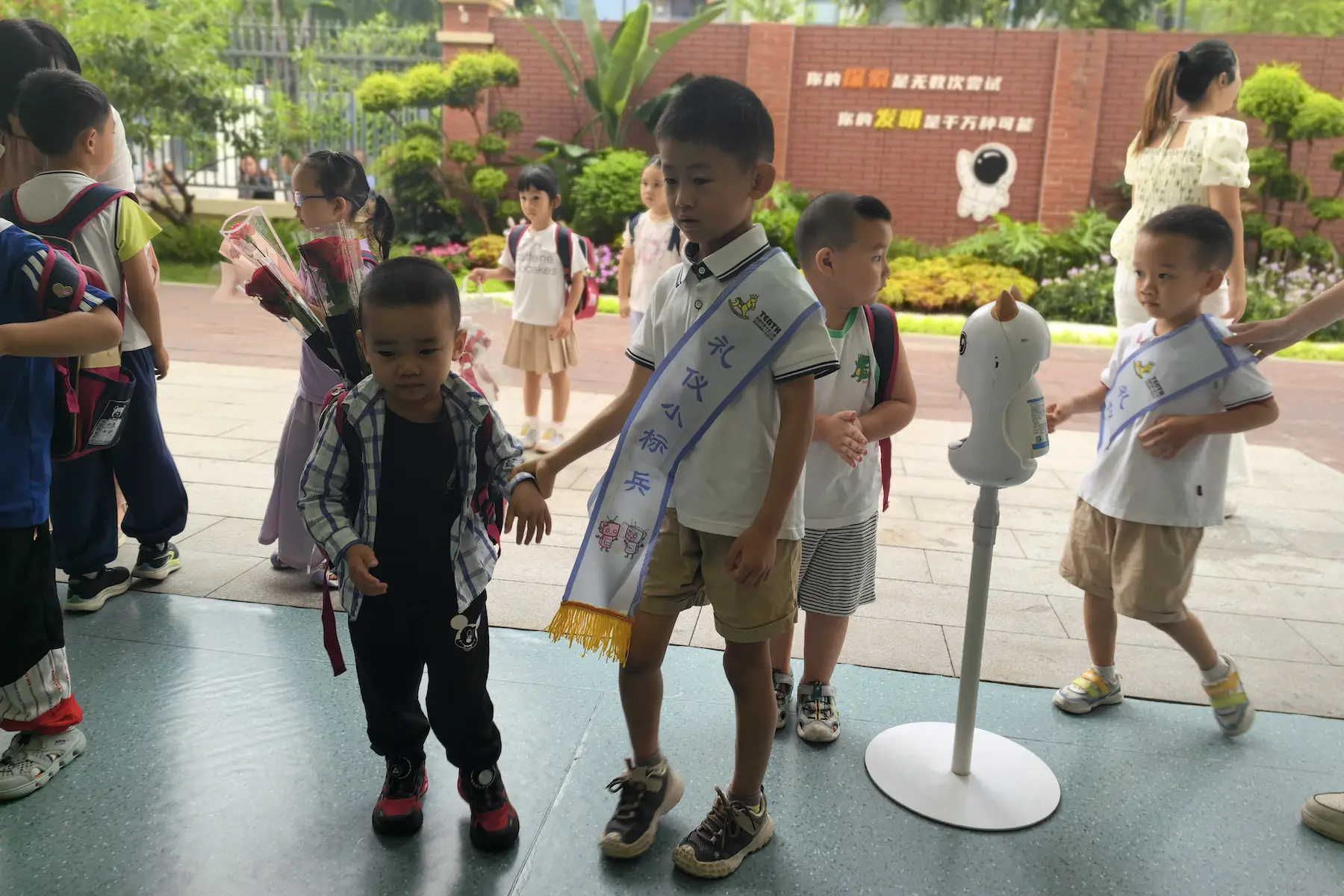
What moved Ms Zhou the most was seeing Dudu — now five — take part in social activities and show empathy. He was given the responsibility to greet younger children at the school gate in the mornings. He warmly welcomed them and comforted those who were crying. This journey also transformed Ms Zhou’s mindset and teaching practice, strengthening her confidence in applying inclusive education strategies to support children with special educational needs.
Through the Project, we helped create a school environment where differences in learning needs are understood and respected. Early intervention and inclusive education can promote educational equity, enhance children’s wellbeing and foster a more caring and inclusive society.